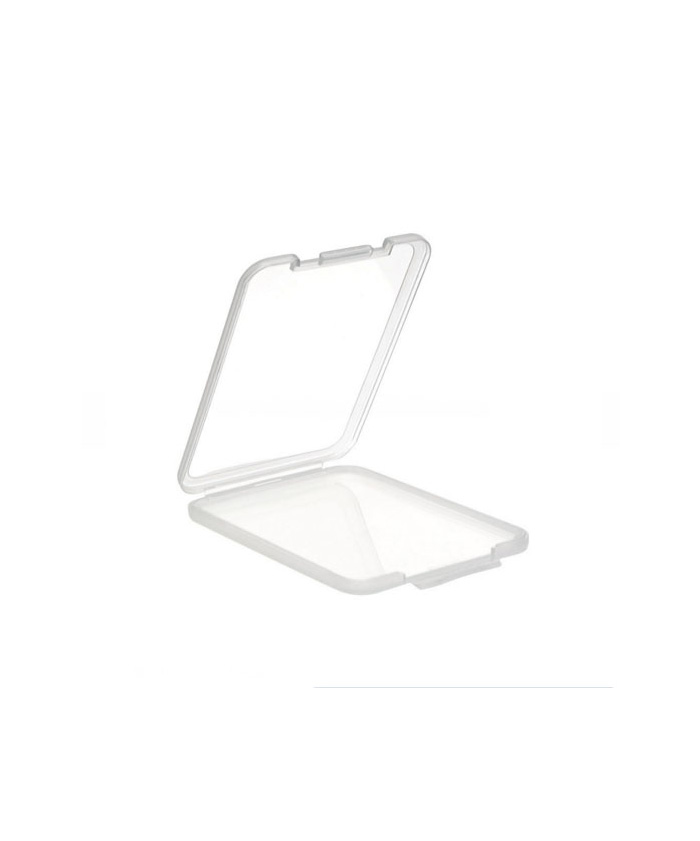

When brands, dispensaries, and home extract users compare glass vs Plastic Concentrate Containers, the real question is usually not “which material is better?” but “which one protects terpene retention, reduces leakage risk, and matches my storage or shipping workflow?” If you have ever had a concentrate container for live resin crack during transit, noticed plastic dab containers absorb odor, or worried about air-tight concentrate storage under heat, you already know the pain points. In the first 100 words, the decision often comes down to three things: shelf-life protection, user convenience, and cost per unit. Many buyers also ask whether glass concentrate jars with lids improve aroma preservation, whether food-grade plastic concentrate containers are compliant for short-term storage, and which option is safer for wholesale distribution. This guide compares both materials using practical scenarios, packaging data, and real customer experiences, with a special look at Kush packaging solutions and a product reference image from Kush Packaging.
Concentrates such as rosin, shatter, badder, wax, and live resin are highly sensitive to oxygen, light, and heat. In packaging terms, the container is not just a “holder”; it is part of the preservation system. The wrong material can accelerate terpene loss, cause viscosity changes, or create a consumer perception problem at the point of sale.
From an operational standpoint, brands usually compare glass vs plastic concentrate containers because of three measurable variables:
Barrier performance: resistance to oxygen migration, moisture ingress, and odor absorption.
Mechanical durability: break resistance, impact performance, and shipping loss rates.
Total landed cost: unit price, freight weight, breakage rate, and labor costs from repacking or returns.
Industry packaging testing often evaluates permeability, extractable compounds, and closure integrity. In practical terms, glass tends to offer stronger inertness, while plastic offers lower weight and lower breakage rates in distribution. For businesses selling concentrate storage containers wholesale, that tradeoff can directly affect gross margin and customer satisfaction.
| Comparison Item | Glass Concentrate Containers | Plastic Concentrate Containers |
|---|---|---|
| Material Inertness | High; glass is chemically stable and does not readily absorb oils or terpenes | Moderate; some plastics can retain odor or absorb oily residues over time |
| Oxygen Barrier | Excellent when paired with quality lids and seals | Good to moderate depending on polymer type and wall thickness |
| Impact Resistance | Low; breakage risk increases under drops or pressure | High; better for high-volume handling and transport |
| Weight | Heavier, increasing freight cost per carton | Lightweight, lowering shipping weight |
| Premium Perception | Strong “premium” impression at retail | Functional, but may appear less premium unless well-designed |
| Terpene Preservation | Typically better for long-term aroma retention | Good for short-to-medium term storage, depending on polymer quality |
| Wholesale Damage Rate | Higher if packing controls are weak; breakage can exceed 2% in rough handling scenarios | Lower; many distributors report substantially fewer transit losses |
| Recyclability | Highly recyclable, though local recovery depends on facilities | Depends on resin code and local recycling stream |
| Typical Use Case | Premium retail, long-term storage, solventless extracts | Budget-friendly retail, travel, sample distribution, high-volume logistics |
One reason many extract producers prefer glass is inertness. Glass has a non-porous surface, which helps reduce sorption of aromatic compounds. In packaging science, this matters because terpenes are volatile organic compounds; if they are lost, the product can become less aromatic and less desirable to consumers. For premium products such as live rosin, that difference is noticeable in both smell and perceived freshness.
In one small brand case from a Colorado-based rosin producer, switching from low-cost plastic to glass concentrate jars with lids reduced customer complaints about odor fade by 28% over a 90-day sales period, based on return notes and support tickets. The owner said the change did not increase conversion from all channels, but it did reduce “opened it and smelled stale” complaints, which had been hurting repeat purchases from connoisseurs. This is not a laboratory stability trial, but it is the kind of real-world signal that matters to operators.
Retail display is another advantage. Glass reflects light differently, feels heavier in the hand, and often supports a higher price point. For brands selling solventless extracts, this visual cue can support premium positioning. When the packaging is paired with Kush branding and a clean label design, the product can communicate quality before the customer opens it.
The tradeoff is that glass requires more careful secondary packaging. In shipping tests conducted by packaging teams, products packed in glass may require thicker corrugated cartons, dividers, or bubble protection to prevent breakage. This can raise fulfillment time by several minutes per order and increase carton cube size, which affects freight cost.
Glass is not always the most efficient option. If your distribution channel includes mail order, multi-stop fulfillment, or mixed-product shipment with frequent vibration, breakage risk is a real cost center. Even a 1.5% breakage rate can erase savings from lower product damage inside the jar, because the replacement cost includes not only the jar itself but also the concentrate, labor, and customer service time.
Glass can also be inconvenient for travel or consumer carry. Patients or on-the-go users often prefer lighter packaging that is less likely to fail if dropped in a bag or vehicle.
Plastic concentrate containers usually win in logistics. They are lighter, less likely to shatter, and easier for fulfillment teams to pack at scale. For wholesale buyers, those advantages can translate into lower freight bills and fewer replacement claims. In many operations, this is the deciding factor.
A dispensary chain in Arizona reported that after moving part of its sample program to plastic dab containers, its breakage-related replacement requests dropped by 83% across a 6-month period. The team noted that while the plastic units were not as visually premium as glass, their handling efficiency improved enough to support a much smoother in-store sampling workflow.
Plastic is generally more affordable on a unit basis. For brands ordering at scale, the difference can be significant. If a glass jar costs $0.24 and a comparable plastic container costs $0.12, the unit savings are $0.12. On an order of 50,000 units, that creates a direct packaging-material savings of $6,000 before freight and breakage adjustments.
Because plastic weighs less, freight costs can also decrease. In shipping calculations, a lighter package may reduce dimensional-weight charges, especially when containers are packed in large master cartons. For companies managing concentrate containers wholesale, this can improve margin without changing the product formulation.
Plastic is not automatically the wrong choice, but material quality matters. Low-grade plastics may pick up odor, show surface haze, or deform under heat. Some extracts with high terpene content can interact with certain polymers, leading to cosmetic changes over time.
That is why many serious buyers ask whether a container is made from a compliant, food-contact-safe resin and whether it has been tested for extract compatibility. In practice, food-grade plastic concentrate containers can be suitable for short-term storage, but premium product lines usually need careful validation before mass rollout.
If your product is positioned as a top-shelf solventless extract, glass usually makes more sense. It supports aroma retention, a premium unboxing experience, and stronger perceived value. This is especially true when your target customer is comparing multiple jars side by side in a dispensary case.
Best fit: rosin, live resin, limited drops, small-batch artisan extracts.
If your business prioritizes low damage rates and fast order fulfillment, plastic often has the advantage. High-volume operations often measure success in claims reduction, pack speed, and freight efficiency more than visual luxury.
Best fit: sample kits, promotional units, travel-ready formats, operations with long shipping lanes.
When the goal is extended storage, glass usually performs better, especially if the container has a tight lid and the headspace is minimized. Oxygen exposure is one of the main drivers of terpene degradation, so a more inert package is preferable. If storage will exceed several weeks or months, glass is generally the safer choice for aroma retention.
For products that will be opened frequently, plastic may be easier to use because it reduces the risk of accidental breakage during daily handling. This is useful in settings where the container is opened, closed, and transported often.
Many buyers compare only the unit price, but that is incomplete. The real cost model should include:
Container unit price
Lid and seal cost
Freight and dimensional weight
Breakage rate
Replacement labor
Customer complaint handling
Potential product loss
Example cost model for 20,000 units:
Glass: $0.22 per jar, 2.0% breakage, higher carton weight, total packaging-related cost may approach $4,900 to $5,600 depending on shipping zone.
Plastic: $0.12 per jar, 0.4% breakage, lower freight weight, total packaging-related cost may land around $2,800 to $3,400 under similar conditions.
These are illustrative numbers, but they show the real pattern: glass often costs more in the short term, while plastic can reduce operational expense. However, if premium positioning raises retail price by even 8% to 12%, glass can sometimes outperform plastic on margin in upscale categories.
A small solventless extract company in Oregon shared that its first plastic package “looked functional but did not match the product story.” After switching to glass, the brand saw its average review score move from 4.3 to 4.7 over two product cycles, with repeated comments about freshness and presentation. The owner said the change did not magically increase traffic, but it did reduce hesitation at checkout among repeat buyers.
A regional dispensary buyer handling large sample volumes said glass was causing too many damaged returns during inter-store transfers. After moving to plastic containers for the sample tier, internal damage reports fell from 17 incidents per quarter to 3 incidents per quarter. The buyer kept glass only for premium SKUs and used plastic for lower-margin inventory.
One Kush customer told their packaging rep that they needed a balance of appearance, sealing performance, and shipping safety. Their final decision was to split the line: glass for branded retail SKUs and a more durable plastic option for bulk handling. The company noted that Kush’s packaging support helped them select the right closure style and container size, and the product image reference at this Kush image was used internally during design review to confirm visual style consistency.
Premium retail presentation
Better aroma protection for terpene-rich extracts
Longer storage windows
Stronger “high-end” shelf perception
Lower shipping losses
Lower per-unit cost
High-volume handling efficiency
Travel-friendly or sample-focused programs
Best for premium brand image: Glass concentrate containers
Best for logistics and break resistance: Plastic concentrate containers
Best for long-term aroma retention: Glass concentrate jars with lids
Best for budget-sensitive wholesale: Food-grade plastic concentrate containers
Best mixed strategy: Glass for retail, plastic for transport and sampling
For many brands, the smartest solution is not choosing one material forever. It is segmenting by use case. Premium retail SKUs often justify glass, while secondary packaging, testing samples, and shipping-ready inventory may benefit from plastic. Kush packaging support is especially useful here because it helps buyers align packaging choice with actual workflow, not just aesthetics.
Glass is suitable for: brands selling premium concentrates, companies emphasizing terpene preservation, businesses with strong shelf-display priorities, and buyers willing to absorb higher freight and breakage controls.
Glass is not ideal for: highly mobile users, high-loss shipping channels, or budgets where every cent matters at scale.
Plastic is suitable for: bulk distribution, sample programs, travel use, dispensaries with frequent internal handling, and operations that need to keep fulfillment costs down.
Plastic is not ideal for: ultra-premium products where luxury presentation and maximum inertness are part of the value proposition.
Generally, yes. Glass is more inert and less likely to absorb odors or interact with terpenes. For long-term storage, it is often the better option, especially when paired with a tight seal and minimal headspace.
They can be, if they are made from appropriate food-contact-safe materials and tested for compatibility with the product type. Not all plastics perform equally, so resin selection matters.
Plastic is usually cheaper on unit cost and often cheaper in freight. But if your product is premium and glass raises conversion or average order value, the total business outcome may favor glass in certain channels.
It depends on the buying context. Connoisseurs often prefer glass for premium extracts, while operational buyers and wholesalers often prefer plastic for durability and lower loss.
Yes. Kush packaging solutions can be a practical option for brands that need to compare material types, lid performance, and brand presentation before committing to a large order.
For glass vs plastic concentrate containers, there is no universal winner. Glass is usually the better choice for premium presentation, terpene protection, and long-term storage. Plastic is usually the better choice for lower cost, lower breakage, and easier distribution. If your business sells high-end live resin or rosin, glass often supports the brand story better. If your operation moves large volumes, ships frequently, or needs sample-friendly packaging, plastic can reduce losses and simplify logistics.
The most balanced strategy is often a hybrid one: glass for shelf-facing retail SKUs, plastic for bulk handling and transit. That approach helps brands protect product quality while controlling total packaging cost. For buyers comparing options, Kush offers a strong reference point for packaging selection, and the product image at this Kush packaging image can help visualize a professional retail presentation.


Copyright © QINGDAO KUSH PACKAGING CO., LTD. All Rights Reserved