
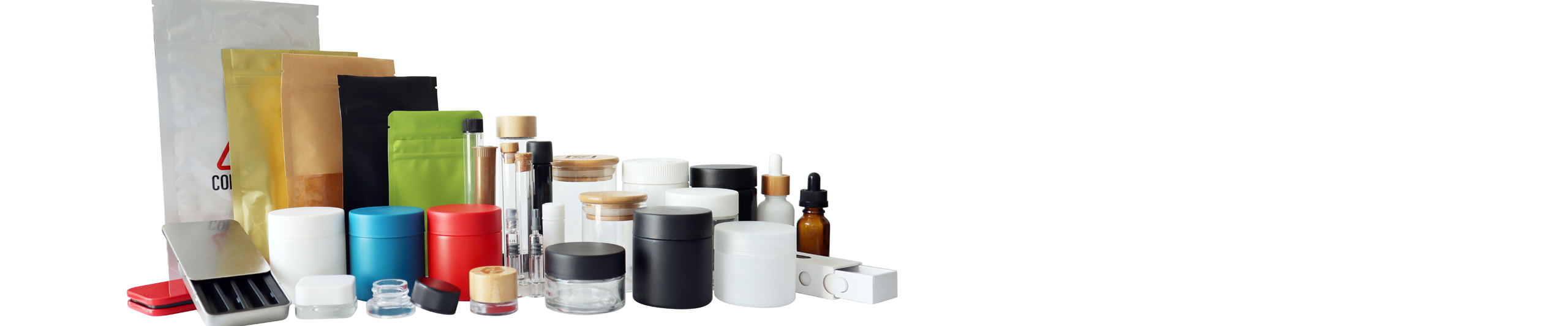
To keep pre-rolls fresher from packing to purchase, choose a suitable Kush barrier bag, confirm its barrier and seal performance, package properly cured products, and store finished packs away from heat and sunlight. In this guide, I’ll walk through those steps so your team can reduce aroma loss, protect product quality, and make packaging checks simple and repeatable.

Pre-roll freshness depends on controlling exposure to oxygen, water vapor, light, and physical damage. A barrier bag slows the movement of gases and moisture through its packaging material, while a reliable heat seal limits exchange through the opening. The bag helps protect the product; it does not reverse poor curing, prevent every form of degradation, or replace proper storage.
For cannabis businesses, this matters because terpene loss, changes in moisture, and crushed cones can lead to inconsistent customer experiences, returns, and avoidable inventory waste. Well-selected Pre-Roll Barrier Bags provide a practical layer of protection between packing and sale.
Oxygen: Lower oxygen transmission can help slow oxidation, which may affect aroma and product quality over time.
Water vapor: A suitable moisture barrier helps reduce moisture exchange with the surrounding environment. It does not correct a product packed too wet or too dry.
Light: Opaque or foil-containing structures can limit light exposure, depending on the bag’s construction.
Aroma transfer: A high-barrier laminate and intact seal help contain volatile aromatic compounds and reduce odor transfer.
Handling damage: The pouch adds a protective outer layer, but the right dimensions and careful packing are still important to avoid bent pre-rolls.
Before ordering, match the bag to the product, distribution period, filling equipment, and applicable packaging rules. “Barrier bag” is not a single material specification: performance depends on the complete laminate, thickness, seal design, and quality of converting.
| Packaging detail | What to confirm | Why it matters |
|---|---|---|
| Laminate structure | Ask for the material layers and technical data sheet; structures may include PET, metallized film, foil, and sealant layers. | Layer selection affects oxygen and water-vapor transmission, light protection, printability, and sealing. |
| Bag dimensions | Check usable width and height against the pre-roll count and cone length. | A close fit limits excess movement without pressing on the product. |
| Closure and seal | Confirm the heat-seal area, zipper configuration if present, and compatibility with your sealer. | A zipper supports repeated access but is not a substitute for a validated initial heat seal. |
| Regulatory features | Verify local requirements for child-resistant packaging, labeling, and warnings. | Packaging requirements vary by jurisdiction; a bag’s appearance alone does not establish compliance. |
Ask Kush or your packaging supplier for current specifications for the exact bag, including film structure, thickness, and available test data. Do not assume that two bags with a similar appearance have the same barrier performance.
In practice, packaging works best as a controlled process—not just a material choice. I recommend the following workflow for production teams.
Confirm product readiness. Package pre-rolls only after the material has completed the intended drying and curing process. Sealing product that is too moist can create quality and safety concerns; a barrier bag will not fix it.
Set a product and pack standard. Record the pre-roll count, cone dimensions, target fill weight, and acceptable appearance. Use a consistent packing pattern to reduce crushing and excess movement.
Inspect incoming bags. Check the packaging against the purchase specification. For a practical incoming check, measure film thickness at multiple points with a calibrated gauge; a 0.01 mm resolution gauge can help identify variation, but use the supplier’s agreed tolerance rather than treating one thickness as universal.
Run a sealing trial. Confirm sealer temperature, dwell time, and pressure with the actual laminate. Make trial seals, then inspect for wrinkles, channels, contamination, and incomplete bonding before starting a production run.
Verify seal performance. Use a documented sampling plan and retain results by lot. ASTM F88/F88M is used for seal-strength testing, while ASTM F2096 describes an internal pressurization bubble leak test. Apply the method appropriate to the package and test plan; these standards do not automatically certify a bag.
Pack and close consistently. Keep the seal zone clear of plant material and debris. Close the zipper if included, then make the intended heat seal across the designated seal area.
Store and rotate stock. Keep finished bags in a cool, dry, dark location, away from direct heat and sunlight. Use lot tracking and first-in, first-out rotation, and follow your product’s validated storage guidance.
Check that product was cured consistently, the selected film has suitable aroma and gas-barrier properties, and seals are complete. Review storage temperature and light exposure as well. Do not attribute every aroma change to the bag without checking the product and process.
Inspect sealer settings, seal-bar cleanliness, pressure, and dwell time. A contaminated seal zone or wrinkles across the seal can create a leak path. Revalidate settings whenever the laminate, machine, or production speed changes.
Recheck pouch dimensions, count, and packing orientation. Consider whether cases or shipping cartons are applying compression. Barrier performance protects freshness, but appropriate secondary packaging is needed for transit protection.
Request a technical data sheet, the complete laminate construction, test methods, test conditions, and lot identification. Keep approved samples and inspection records so purchasing and production teams can compare like with like.
A small set of tools can make quality checks easier to repeat:
A calibrated film-thickness gauge with suitable resolution, such as 0.01 mm.
A heat-seal tester or access to seal-strength testing using ASTM F88/F88M.
A documented leak-test procedure appropriate to the package, such as ASTM F2096 where applicable.
A calibrated scale, lot-tracking sheet, and packaging inspection checklist.
A sealer maintenance log recording temperature, dwell time, pressure, and operator checks.
For critical launches, define acceptance criteria before production and agree on a sampling plan with your supplier. You may also request a documented visual inspection of every finished bag where the process supports it; describe this as a specific inspection requirement, not as a substitute for material or seal testing. Set a clear supplier communication target—for example, requesting a response within 24 hours—so questions about specifications or defects do not delay production.
Pre-Roll Barrier Bags help preserve product quality by slowing exposure to oxygen and water vapor, limiting light when the structure is opaque, and containing aroma when the film and seals perform as intended. The results depend on the product’s condition, the precise Kush bag specification, sealing quality, and storage practices working together.
To take action today, confirm your pre-roll dimensions and local packaging requirements, request the Kush bag’s laminate and test data, run a sealing trial, document inspection results, and store finished inventory under controlled conditions. That straightforward process gives your team a clearer way to protect freshness, reduce avoidable packaging failures, and deliver more consistent pre-rolls to customers.
How Do Pre-Roll Barrier Bags Keep Cannabis Products Fresh during storage? They create a protective package that can slow oxygen and moisture transfer and reduce exposure to light and outside odors, depending on the material and seal. Keep the bag properly sealed and store it in a cool, dry, dark place; packaging alone cannot guarantee a fixed shelf life.
Previous: Uses of 1ml Luer Lock Glass Syringes
Next: How to Choose the Right Pre-Roll Barrier Bags for Your Products?


Copyright © QINGDAO KUSH PACKAGING CO., LTD. All Rights Reserved